
Headaches
Tension, cervicogenic and migraine headaches — how the spine and neck may contribute.
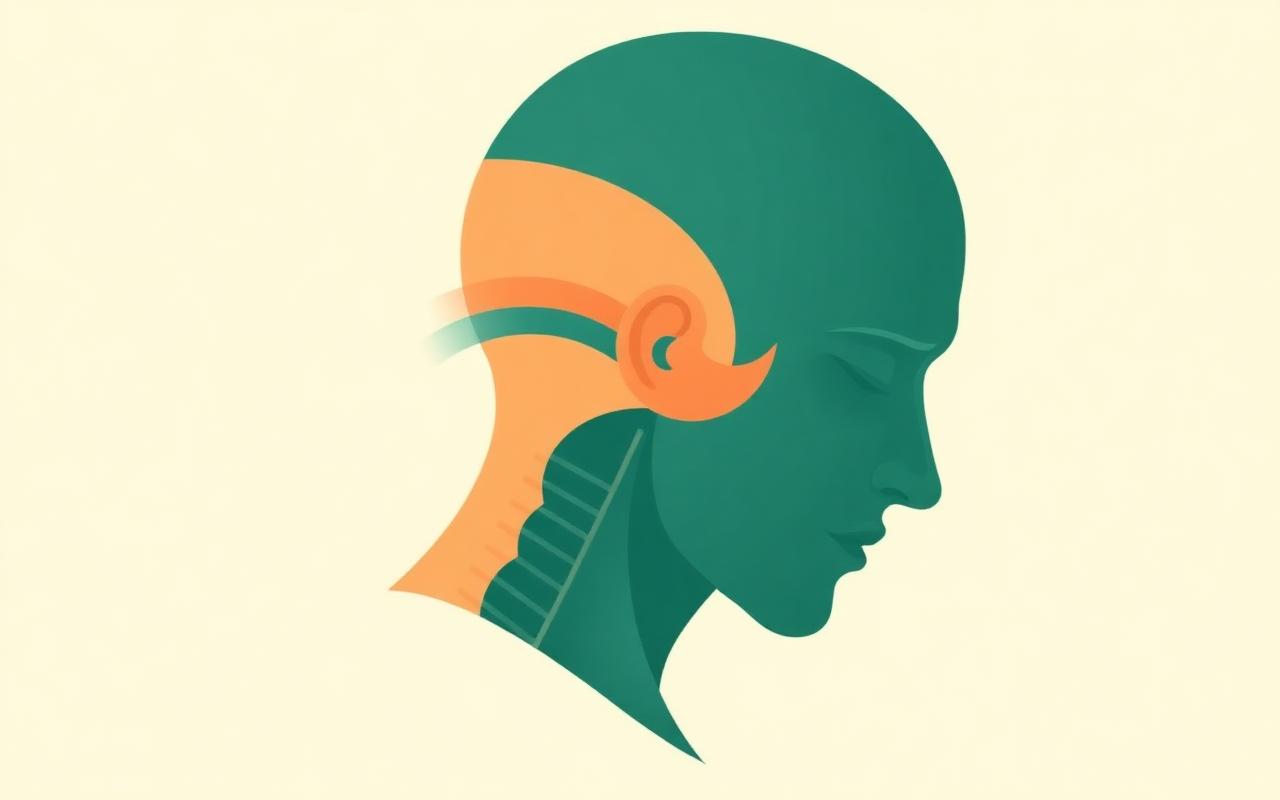
Not all headaches are the same — and that's why generic advice often fails. Pinpointing which type you're dealing with is the first real step to relief.
The three most common types
Tension-type headache. A dull, band-like tightness around the head. Usually driven by upper-trap and suboccipital muscle tension, stress, and screen time.
Cervicogenic headache. Originates in the neck and refers pain up into the head — often felt behind one eye or at the base of the skull. This is the type where chiropractic care and manual therapy have the strongest evidence.
Migraine. A neurological condition — often unilateral, throbbing, and paired with nausea or light sensitivity. Requires medical management. Manual therapy may reduce frequency but isn't a cure.
Common triggers
- Poor sleep and dehydration
- Extended screen use without breaks
- Clenching or grinding at night
- Skipped meals and caffeine withdrawal
- Neck posture (forward head, rounded shoulders)
Simple things that often help
- 90-second desk reset every 45 minutes (see Desk posture).
- Suboccipital release — lie on your back with two tennis balls in a sock under the base of your skull for 60–90 seconds.
- Hydrate first. Many "headaches" are mild dehydration.
- Track patterns — sleep, meals, stress, cycle — for two weeks to spot triggers.
When to see a professional
- Headaches more than 2× per week
- Any new headache pattern after 50
- Headaches with vision changes, weakness, or slurred speech (seek emergency care)
- Recurring pain at the base of the skull that eases with neck movement
Chiropractic evaluation is especially worth considering for cervicogenic and tension-type headaches — the mechanism is often mechanical.
Educational information only — not medical advice. Consult a licensed chiropractor or physician for care.
Get real relief for headaches at The Joint Chiropractic Rosemead.
See a licensed chiropractor today. $29 New Patient Special — exam, consult & first adjustment. Walk in — no appointment needed.