
Mobility
The difference between flexibility and mobility — and simple drills that build both.
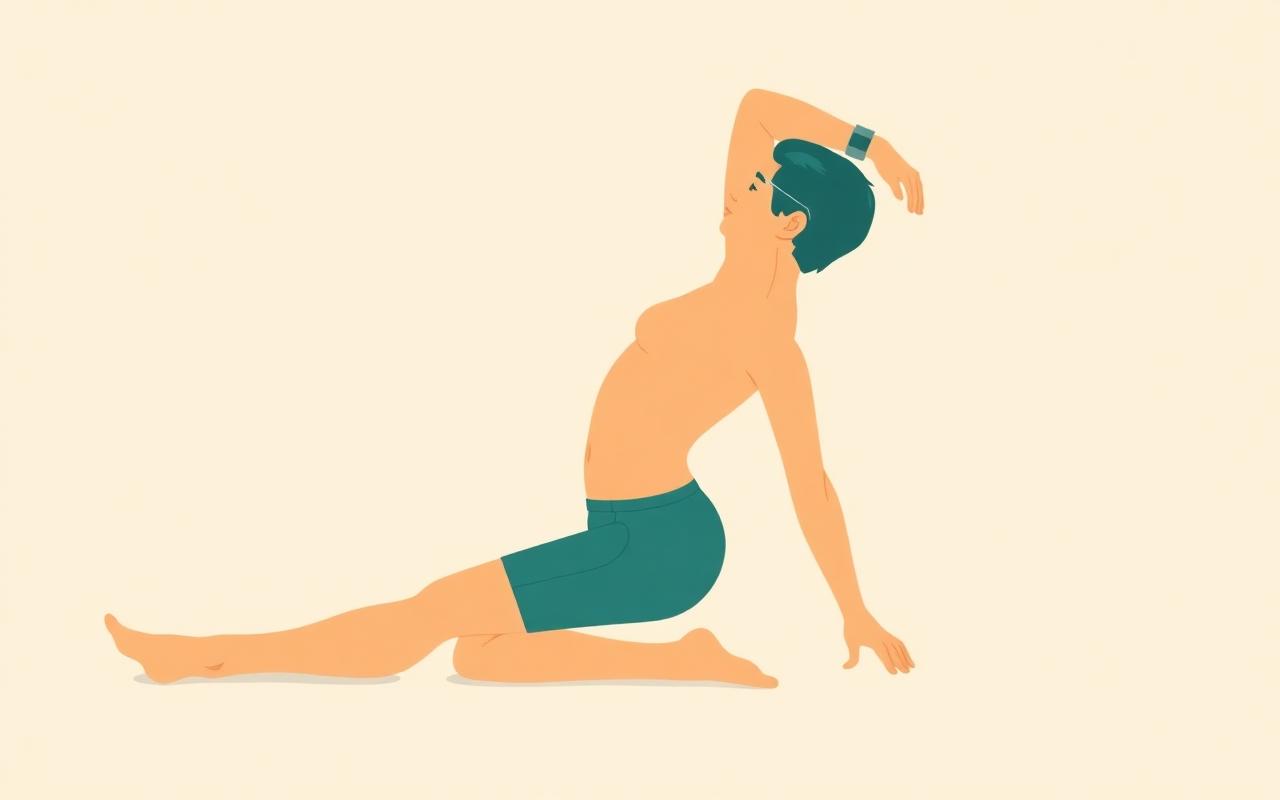
Flexibility is how far a joint can passively move. Mobility is how far you can actively control that motion. You need both — but mobility is what actually translates to healthier movement and fewer injuries.
Why mobility matters more than static flexibility
A dancer's overhead split is flexibility. A soccer player pivoting mid-sprint without blowing a knee is mobility. If your muscles can lengthen but your nervous system can't stabilize at those end ranges, you're setting up for injury.
The joints most adults need to work on
- Hips — internal and external rotation, extension
- Thoracic spine — rotation and extension
- Ankles — dorsiflexion
- Shoulders — overhead reach with a neutral spine
Five drills to build a base
- 90/90 hip switches — 2×10 per side
- Thoracic open-book — 2×8 per side
- World's greatest stretch — 5 slow per side
- Wall ankle rocks — 2×15 per side
- Cat-cow — 8 slow reps
Two to three focused mobility sessions a week beats one long weekly session.
How chiropractic care fits
Joint restrictions above or below a stiff segment often mask as "tight muscles." Adjustments and joint mobilizations can unlock ranges that stretching alone can't reach — after which strengthening at those new ranges makes the gains stick.
Educational information only — not medical advice. Consult a licensed chiropractor or physician for care.
Get real relief for mobility at The Joint Chiropractic Rosemead.
See a licensed chiropractor today. $29 New Patient Special — exam, consult & first adjustment. Walk in — no appointment needed.