Ice or heat? The real answer.
The right choice depends on time, tissue, and the type of pain. Here's a clean decision tree.
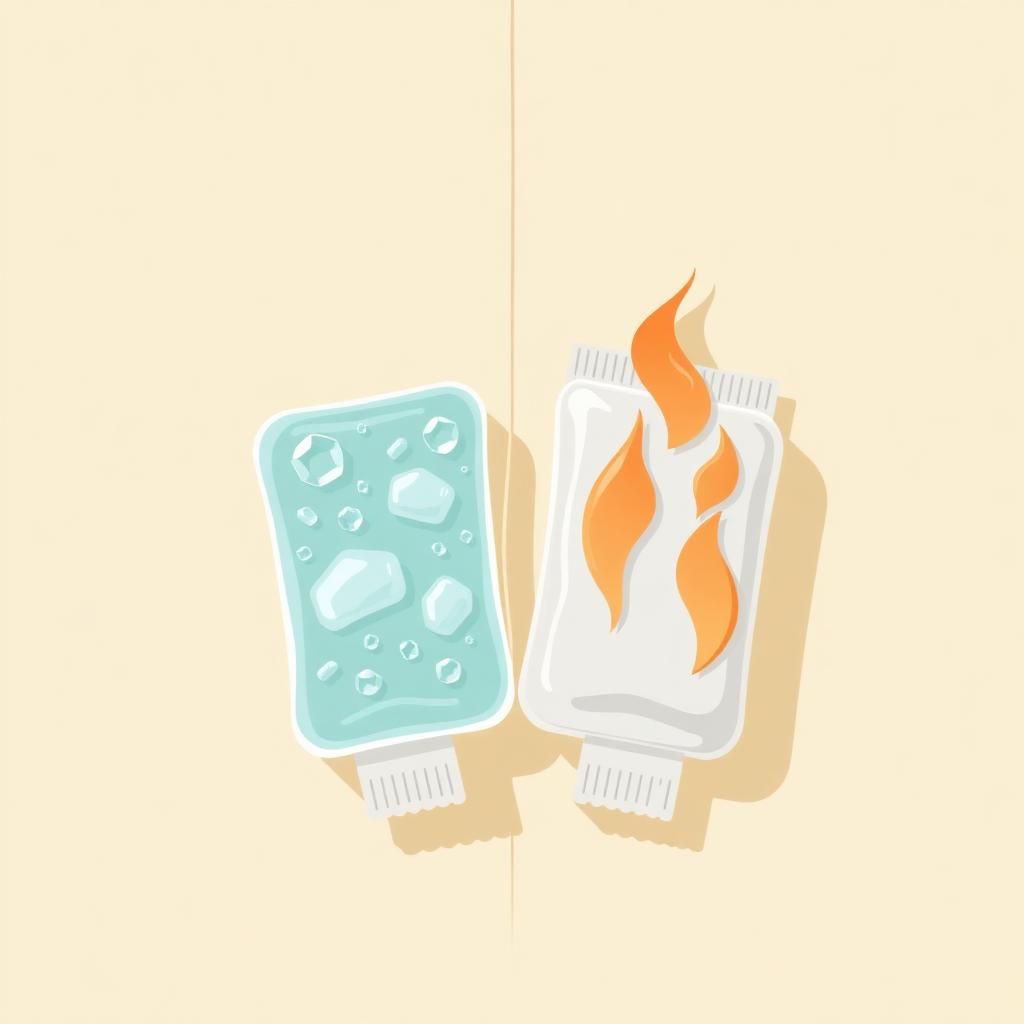
The internet is split on ice vs heat, and both sides are right — just about different things. Here's a clean decision tree based on time, tissue, and type of pain.
Use ice when…
- The injury happened in the last 48 hours. Ice reduces acute inflammation and slows nerve conduction, which dulls pain.
- There's visible swelling or bruising.
- Right after an aggravating activity. A tennis session that fires up a chronic tendon issue — ice for 15 minutes after.
- Sharp, "hot" pain.
How to ice: 15–20 minutes, wrapped in a thin towel. Off for at least 45 minutes before reapplying. Never sleep on an ice pack.
Use heat when…
- The pain is more than 48–72 hours old and dull, tight, or stiff.
- You're warming up before movement or stretching. Heat increases blood flow and tissue extensibility.
- Chronic muscle tension — traps, low back, hip flexors.
- Menstrual or referred abdominal cramping.
How to heat: 15–20 minutes of moist heat if possible (a hot shower, a damp warm towel, or a moist heating pad). Never fall asleep on a heating pad.
Never use either when…
- The skin is broken, numb, or has poor sensation
- You have circulatory issues, diabetic neuropathy, or Raynaud's — check with your clinician first
- The area is already extremely hot to the touch (possible infection)
The "contrast" method
For subacute injuries (3–14 days old) in an extremity — ankle, wrist, elbow — some evidence supports alternating: 3 minutes heat, 1 minute ice, repeated 3–4 times, ending on ice. It's a pump for the tissue.
The bottom line
- New, sharp, swollen → ice.
- Old, dull, tight → heat.
- When in doubt → whichever one feels better (for chronic pain, comfort predicts benefit).
Educational information reviewed by operators of The Joint Chiropractic Rosemead — not medical advice. Always consult a licensed clinician for your specific situation.
Ready to feel better? Book a $29 intro visit.
$29 New Patient Special — exam, consult & first adjustment. No appointments needed. No insurance required. Open evenings & weekends.