Sciatica: what actually works
We reviewed 40 studies to find the interventions with the strongest evidence for sciatic pain.
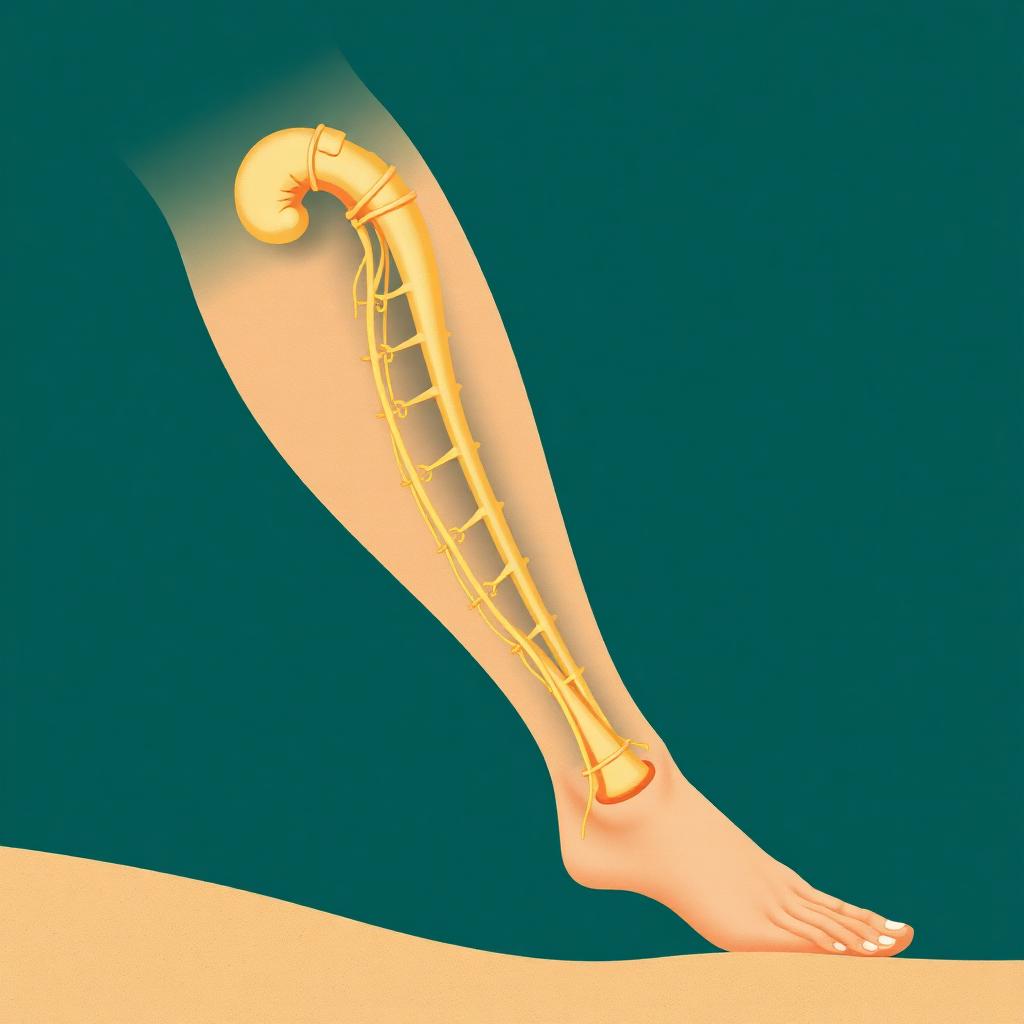
Sciatica isn't a diagnosis — it's a symptom: pain, tingling, or weakness that travels along the sciatic nerve, from the lower back through the buttock and down the leg. To treat it, you have to know what's compressing the nerve. And after reviewing dozens of clinical studies, a clear hierarchy of what actually works emerges.
What's causing it?
The most common culprits:
- Herniated lumbar disc pressing on a nerve root (usually L4–L5 or L5–S1)
- Piriformis syndrome — a tight buttock muscle irritating the nerve
- Spinal stenosis — narrowing of the spinal canal (more common after 50)
- Isthmic spondylolisthesis — a vertebra slipping forward
Identifying the source changes the treatment.
What the research supports
Strong evidence:
- Active movement and directional exercises (e.g., McKenzie extension protocol for disc-related sciatica) — consistently outperforms bed rest.
- Spinal manipulation by a licensed chiropractor for acute sciatica of disc origin — multiple RCTs show meaningful pain reduction and faster return to function.
- Nerve-glide (neural mobilization) exercises — help desensitize an irritated nerve.
- Progressive walking programs — the boring answer that keeps working.
Moderate evidence:
- Targeted strengthening (glute medius, deep core)
- Short courses of NSAIDs for acute flares
- Piriformis-specific stretching when that's the source
Weak or no evidence for:
- Long-term bed rest
- Passive-only modalities (ultrasound, electrical stim in isolation)
- Long-term opioid use
Red flags — see a clinician today
- Loss of bowel or bladder control
- Progressive weakness in the leg or foot ("foot drop")
- Numbness in the saddle region (inner thighs, groin)
- Severe pain after major trauma
These can indicate cauda equina syndrome and are a medical emergency.
A sensible starting plan
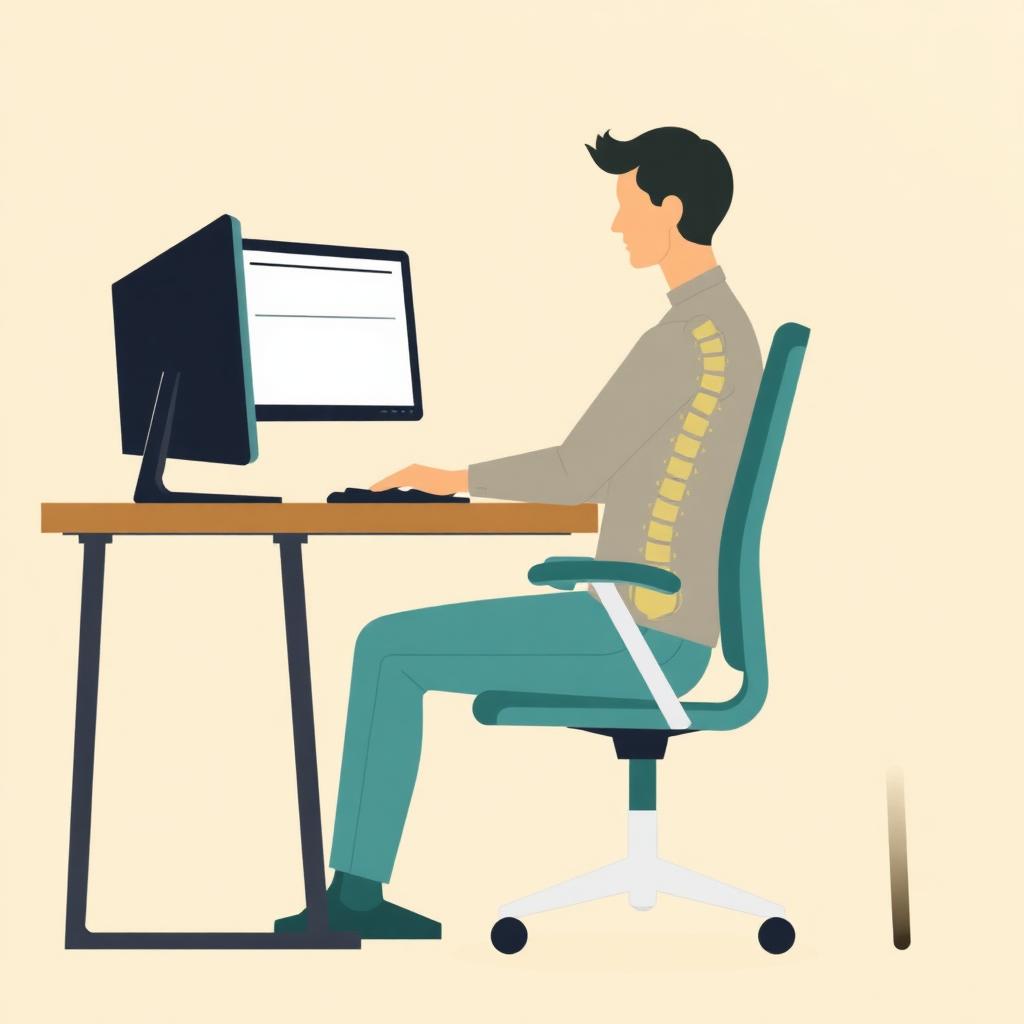
- Keep moving — walk daily, avoid prolonged sitting.
- Try the McKenzie press-up: lie face down, prop up on forearms, then on hands. 10 reps, 3–5x/day. Stop if leg pain worsens.
- Get evaluated by a chiropractor or physical therapist within a week if pain persists.
- Imaging (MRI) is rarely needed in the first 4–6 weeks unless red flags appear.
Sciatica gets better for most people. The right movement, early, is the biggest lever.
Educational information reviewed by operators of The Joint Chiropractic Rosemead — not medical advice. Always consult a licensed clinician for your specific situation.
Ready to feel better? Book a $29 intro visit.
$29 New Patient Special — exam, consult & first adjustment. No appointments needed. No insurance required. Open evenings & weekends.